


AI: An ally or a taboo in your business?

This week, several discussions have caught my attention on a topic that is still too often taboo: the use of AI in our professional lives.
During a masterclass within the Fractional de COO collective , an AI expert shared perspectives that made me think and take a step back.
Although I use AI every day to optimize certain aspects of my work, I must admit that sometimes I hesitate to fully embrace it.
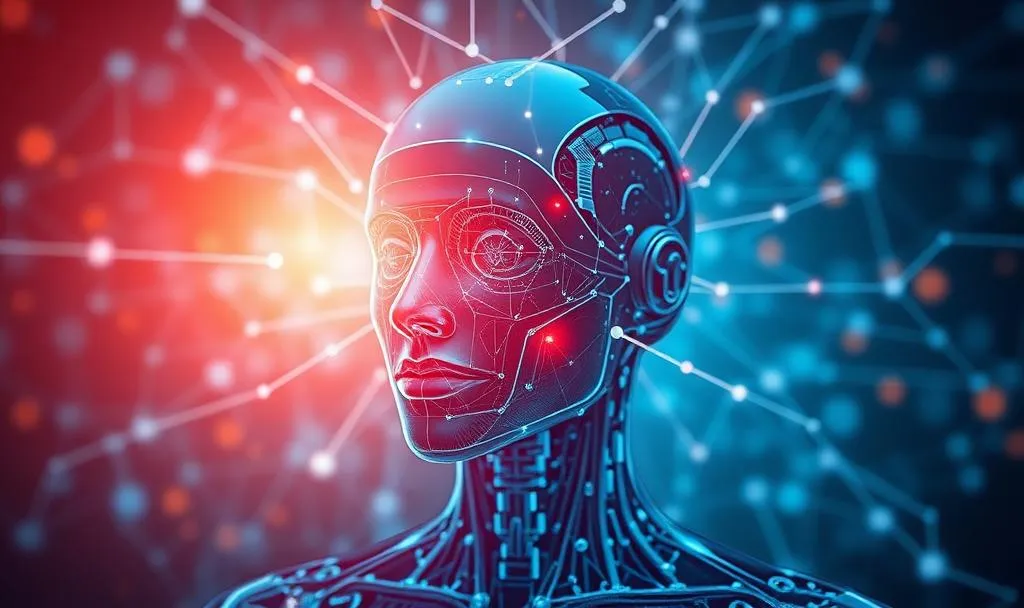
Why this hesitation?
It's a bit paradoxical, isn't it? AI is a powerful and collaborative tool , but sometimes we wonder if this can be perceived as a lack of creativity or authenticity, especially in roles that require strong human interaction.
However, AI is not there to replace humans, but to augment and improve efficiency in repetitive or complex tasks.
As a Harvard Business Review article points out , it is crucial that each team member understands the basics of AI in order to make the most of it.
The article presents three fundamental questions that a member of your team should be able to answer about AI:
- How does it work at a high level?
Understand that AI, especially machine learning, isn't magic. It relies on data and algorithms that identify patterns and trends. It's not like human learning, but it can perform extremely complex tasks much faster.
- What AI does well.
AI excels where there are large amounts of reliable data. It's an asset in tasks like big data analysis or product recommendations. For example, if you use data analytics tools, accounting software, or even copywriting tools, they probably already use AI without you realizing it! For instance, AI can be used to challenge ideas, refine marketing messages, or generate suggestions for more impactful content. In this case, it can save you valuable time while optimizing the quality of your work.
- What it shouldn't do.
AI can automate tasks, but it should never replace humans in areas where intuition, empathy, or ethics are necessary. For example, AI should never make a decision about who to hire or how to solve a performance problem within a team. This is where human intelligence remains essential.
By integrating these basics, AI becomes a true “enabler” , a tool to boost efficiency and free up time for more strategic and creative tasks .
With this in mind, I encourage my clients' teams to see AI not as a way to cheat, but as a true partner that supports them on a daily basis.
And you, how do you approach AI in your daily professional life?
Is it a subject that disturbs you or inspires you? I would like to know how you perceive it and how you use it in your work.
See you soon,
Aurélie
P.S.: If you'd like to delve deeper into this topic, I encourage you to read the full article from Harvard Business Review: 3 Questions About AI That Nontechnical Employees Should Be Able to Answer
P.S.: I used AI to work on this newsletter 😉.
%201.svg)

